


 Français
 Italiano
 Deutsch
Wine tasting
How to taste wine properly – Part 1: appearance
Jan
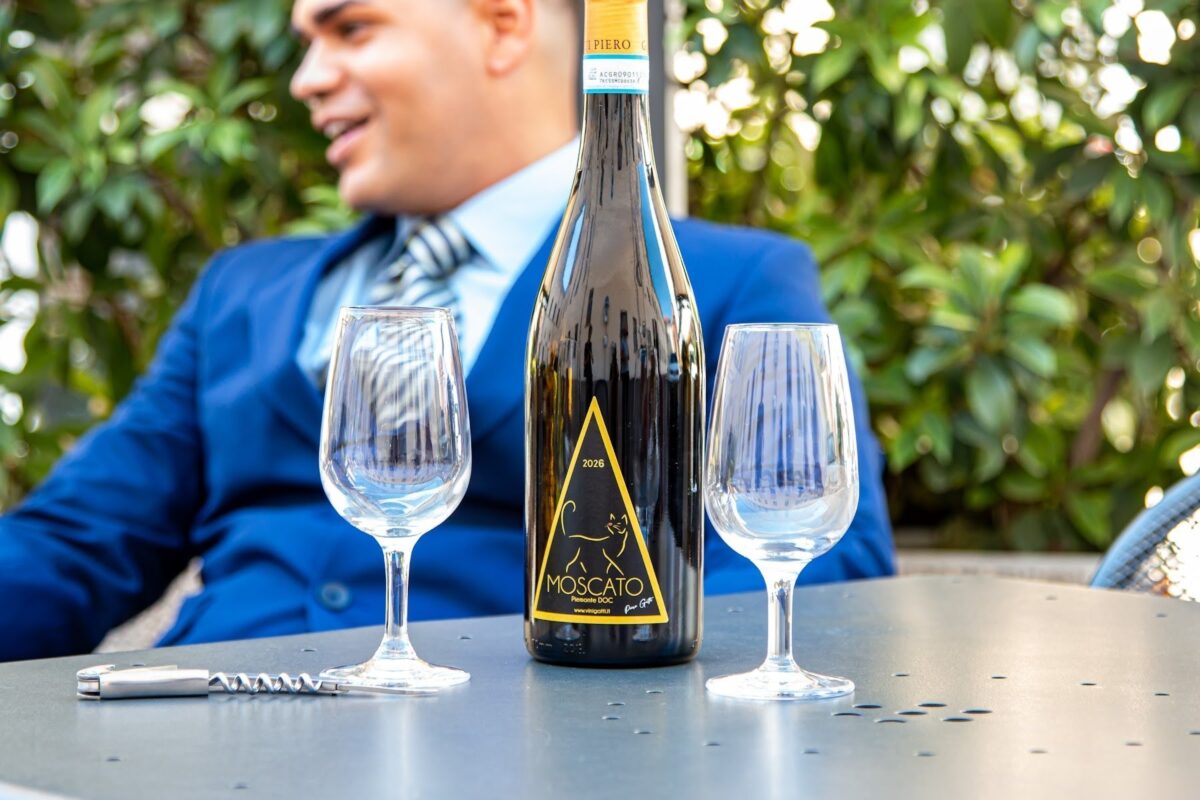
With the new year we are launching a series you have often asked for: how to taste wine properly, without fear of technical terms. We will do it in several episodes, following the method used by sommeliers and tasters, with examples taken from our wines. We start with the eyes.
The three stages of tasting
Professional tasting is divided into three moments:
- visual examination: what we see in the glass;
- olfactory examination: what we smell;
- palate: what we perceive in the mouth.
The order is not accidental. Each stage prepares the next and helps us form hypotheses: from the colour alone you can guess a wine’s age, the grape variety or the type of winemaking.
Before you start: glass, light, quantity
Use a tulip glass of thin, clear glass, held by the stem so as not to warm the wine or smudge the bowl. Pour only a little, about a third. Stand in a bright place, preferably with natural light, and keep a white sheet of paper or a light tablecloth to hand to tilt the glass against.
Clarity
The first thing to observe is clarity: is the wine hazy, fairly clear, clear or brilliant? A hazy wine is not necessarily faulty (some unfiltered wines are deliberately so), but in wines like Moscato we expect perfect clarity, the result of careful filtration.
Colour: hue and intensity
Tilting the glass against the white background, observe the hue and intensity of the colour.
- In whites, the range goes from greenish yellow to straw, to gold and even amber. Our Piemonte Moscato DOC is bright straw yellow: the sign of a young wine, made to express freshness and aromas.
- In rosés, we speak of pale pink, cherry pink, salmon.
- In reds, from purple to ruby, to garnet and orange. Our Piemonte Brachetto DOC has a delicate purple colour, typical of a young aromatic red.
In general, with time whites tend to darken towards gold and amber, while reds lighten towards garnet and orange. A passito made from dried grapes, like our Vignot, tends instead to show golden tones even when young.
Viscosity: the “legs”
Swirling the wine in the glass forms drops on the sides that run down slowly, called legs or tears. The denser and slower they are, the more viscous the wine, that is, rich in alcohol, glycerol or sugar. In sweet wines the legs are often visible even at low alcohol, precisely because of the sugars.
Effervescence: the perlage
In semi-sparkling and sparkling wines we observe the perlage: the size of the bubbles (fine or coarse), their number and persistence. Fine, continuous bubbles are a sign of quality and well-managed secondary fermentation. In Moscato the effervescence is delicate: it caresses the palate rather than prickling it.
What all this tells us
The visual examination is not meant to give a score but to gather clues. A lively colour speaks of youth, a golden glint may indicate maturity or drying, dense legs announce a soft wine. These are hypotheses that the nose and palate will confirm or disprove.
In the next episode we will move on to the olfactory examination: how to recognise aromas and how to classify them. In the meantime, the best way to practise is to open a bottle and look at it with new eyes: you will find our wines in the online shop.

Piemonte Moscato DOC

Red Wine


Vini Bianchi

Passiti-vendemmia tardiva

Piemonte Brachetto DOC


Grappa
