


 Français
 Italiano
 Deutsch
Vineyard & cellar
Grapevine flowering: the most delicate days of the year in the vineyard
Jun
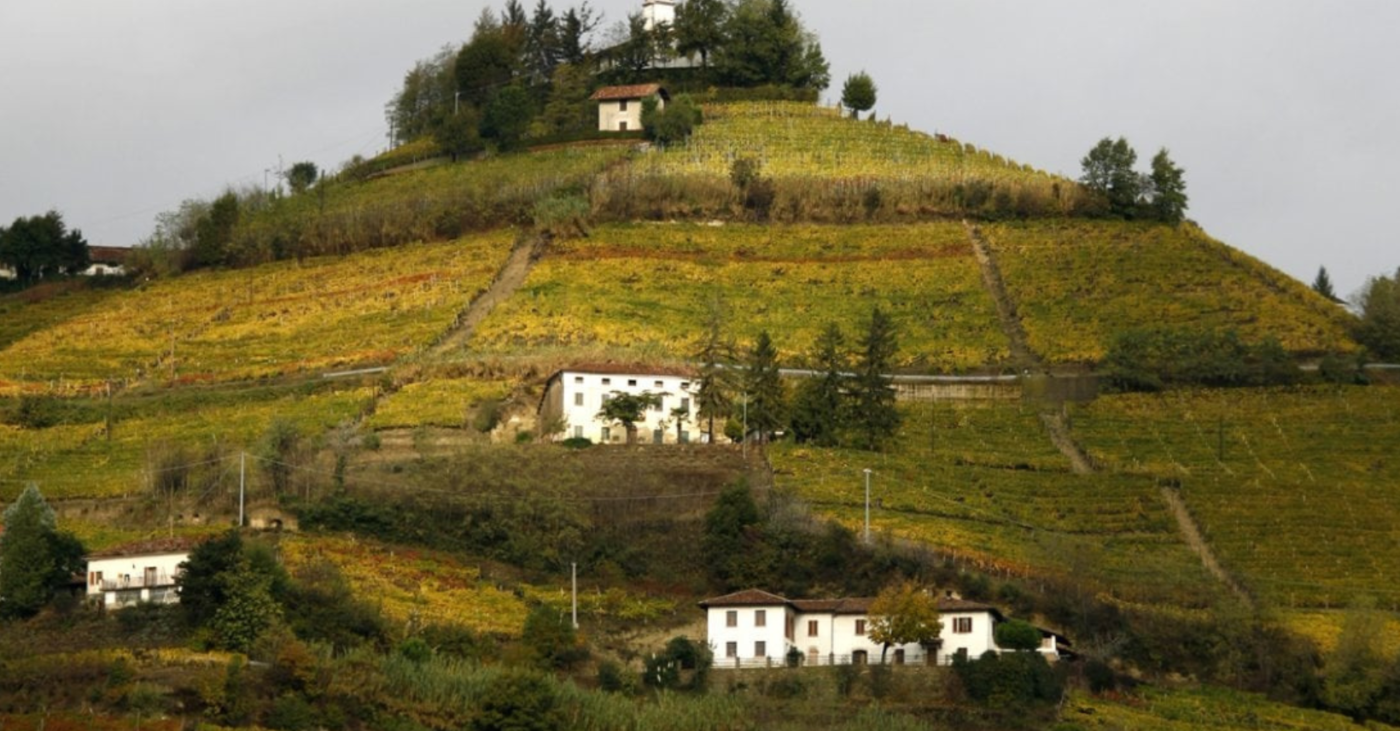
Between late May and early June, on the hills of Santo Stefano Belbo, something happens that almost nobody notices. The vines flower. There are no colourful petals or intense scents, and yet it is one of the most important and delicate moments of the whole year. Let us tell you about grapevine flowering.
What the vine flower looks like
The vine flower is tiny and discreet. The flowers are gathered in inflorescences that already have the shape of the future bunch. Each flower is protected by a green cap, the calyptra, formed by petals fused together. At flowering the calyptra comes away and falls, exposing the stamens and pistil.
In those days you can sense a light, delicate scent in the vineyard, which some compare to mignonette. You need to walk among the rows in the warm hours to notice it.
When it happens
Flowering usually comes about fifty days after budburst, between late May and mid-June, depending on the vintage, the grape variety and the exposure. In south-facing vineyards, like ours at Moncucco, it tends to arrive a little earlier. Flowering generally lasts one or two weeks.
Fruit set: from flower to berry
If the flower is fertilised, the ovary begins to swell and becomes a tiny green berry. This is fruit set. From this moment the number of berries in each bunch is practically decided: from now until the harvest the berries will grow, but no new ones will form.
What can go wrong
Flowering is a fragile moment. The weather matters enormously:
- rain and cold can hinder fertilisation;
- excessive heat or strong wind can dry out the flowers;
- imbalances in the vine’s nutrition can reduce fruit set.
When many flowers are not fertilised and drop, this is called coulure: the bunch is loose, with few berries. When, alongside normal berries, many small seedless ones develop, this is called millerandage. In both cases yields fall, although looser bunches are sometimes healthier and better ventilated.
What we do in the vineyard
During flowering we try to disturb the vines as little as possible. Before and after, however, the work is intense: excess shoots are removed, canes are tied, and the vineyard’s health is checked, because the humid heat of June can favour diseases such as downy mildew. We described every stage of the year in our winegrower’s calendar.
A saying to remember
In the farming world people watched the June sky anxiously: a good flowering meant a good harvest. And even today, when in mid-June we see well-formed, regular little bunches, we breathe a sigh of relief.
From flower to glass
From those tiny flowers will come, at the end of summer, the grapes for our Piemonte Moscato DOC. While we wait for the new vintage, you can enjoy the current one: fresh, aromatic, perfect for summer. You will find it in the online shop.

Piemonte Moscato DOC

Red Wine


Vini Bianchi

Passiti-vendemmia tardiva

Piemonte Brachetto DOC


Grappa
